2026 Hyundai Kona
Smart tech and surprising big on space, the Kona just keeps getting better
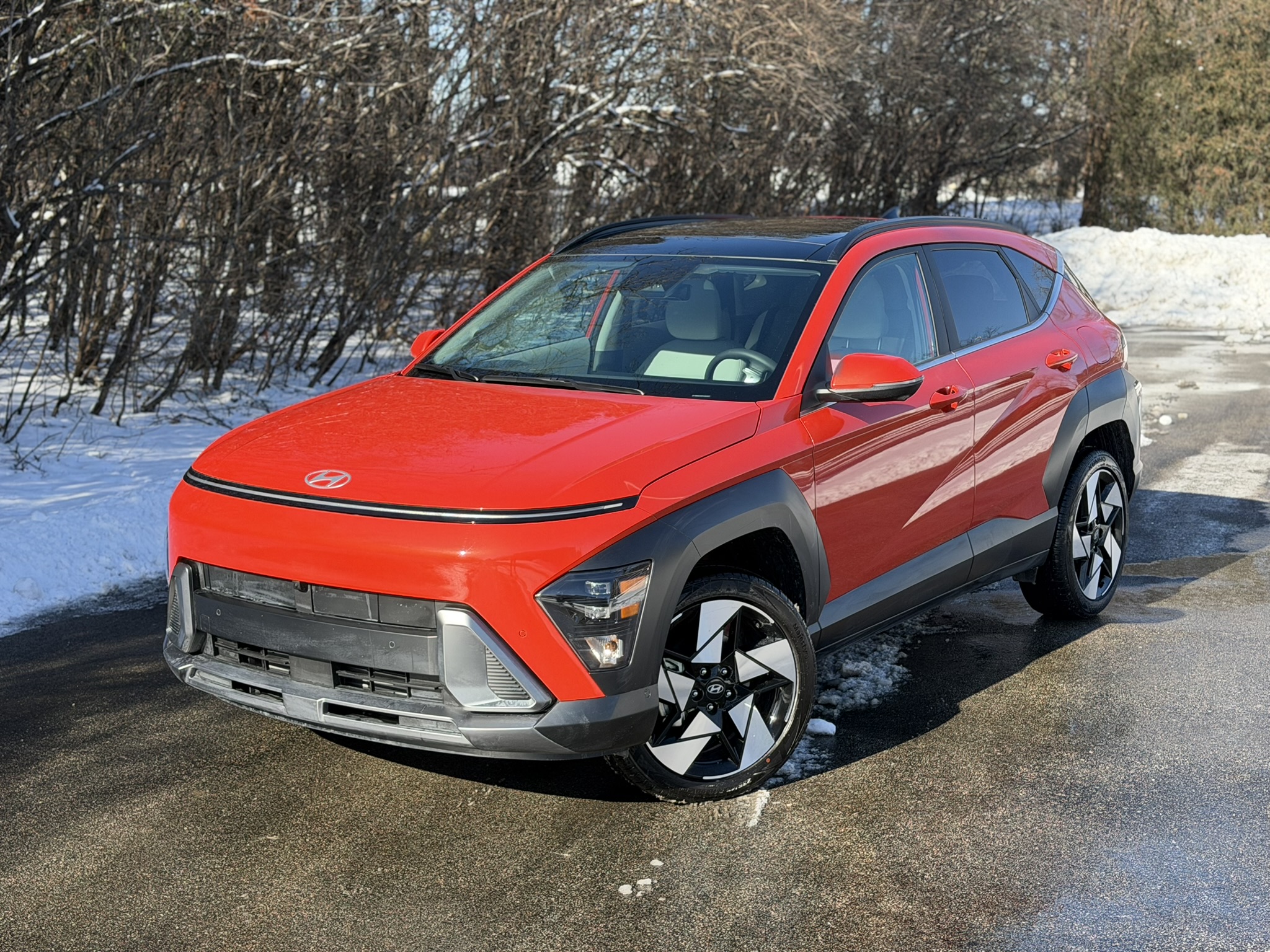
Test Vehicle: 2026 Hyundai Kona Limited AWD
Powertrain: 1.6L Turbocharged 4-Cylinder
Exterior Color: Soultronic Orange
Interior Color: Gray
Options: Paint ($500), Floor Mats ($240)
MSRP as tested: $36,385 (With Delivery/Destination)
Pros: Modern Technology, Good Value, Standard Safety Features, Spacious Interior
Cons: Weak Base Engine, No Hybrid Option, Firm Seats
The Hyundai Kona first came to market in 2019 as a subcompact crossover entry that slots below the popular Tucson. After its first overhaul in 2024, it generally carries over into 2026 with some minor changes to the trim lineup and more safety tech. The standard Kona is available in four trims (SE, SEL Sport, SEL Premium, and Limited) and two powertrains. Gone from the lineup are the N Line models and the Kona Electric.
SE and SEL Sport models come standard with a 2.0L naturally aspirated 4-cylinder that nets 147 horsepower and 132 lb.-ft. of torque paired with a CVT. Step up the SEL Premium and Limited models for a more powerful 1.6L turbocharged 4-cylinder that pushes out 190 horsepower and 195 lb.-ft. of torque paired with an 8-speed automatic.
Base Konas start at $25,500 for an SE and climb up to a starting price of $35,750 for a Limited AWD. Competition includes other compact SUVs such as the Chevrolet Trailblazer, Kia Seltos, Honda HR-V, Mazda CX-30, Subaru Crosstrek, Volkswagen Taos, and Buick Envista. I spent time in the 2026 Kona Limited and here's what stood out...
Styling:
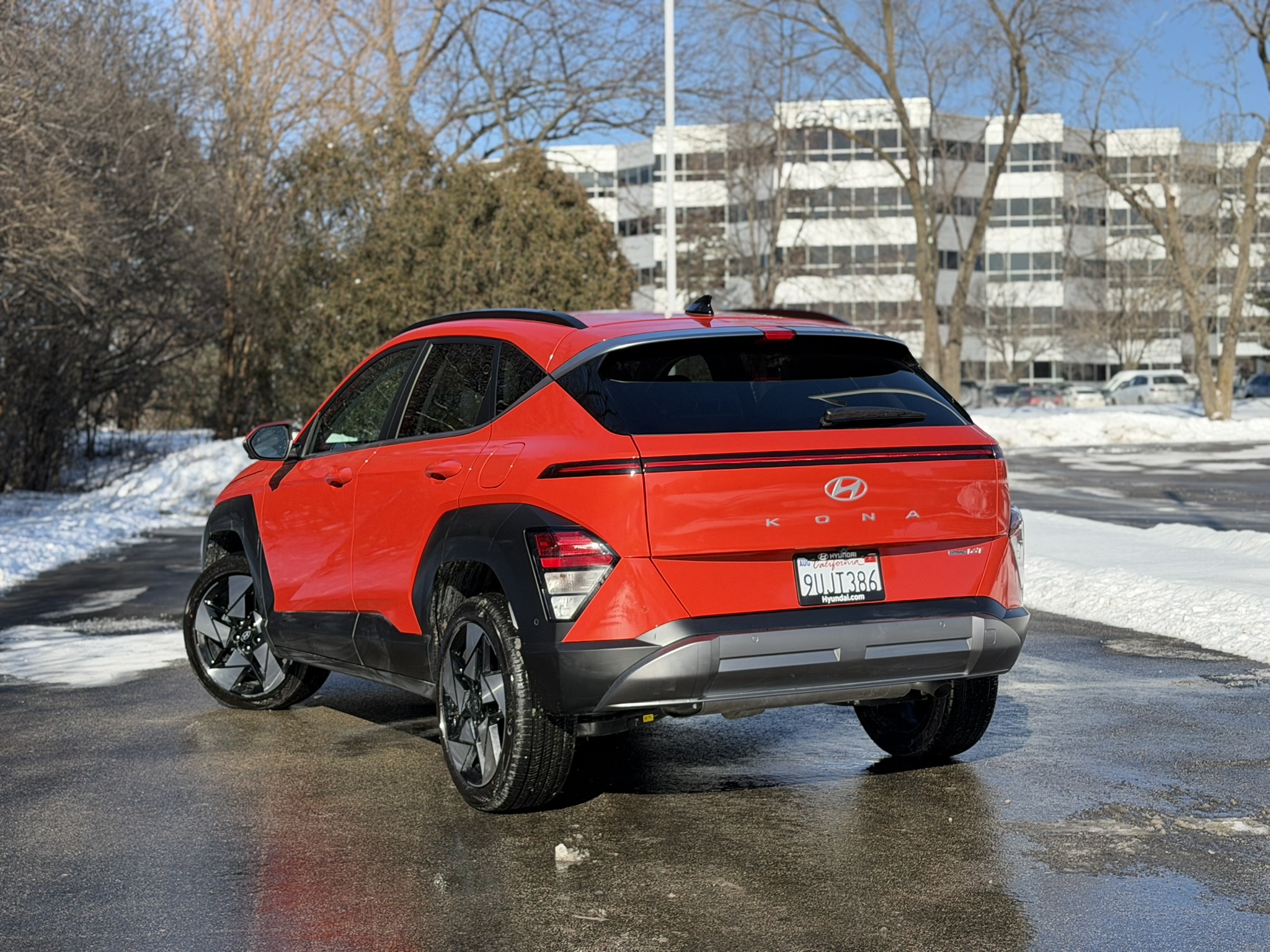
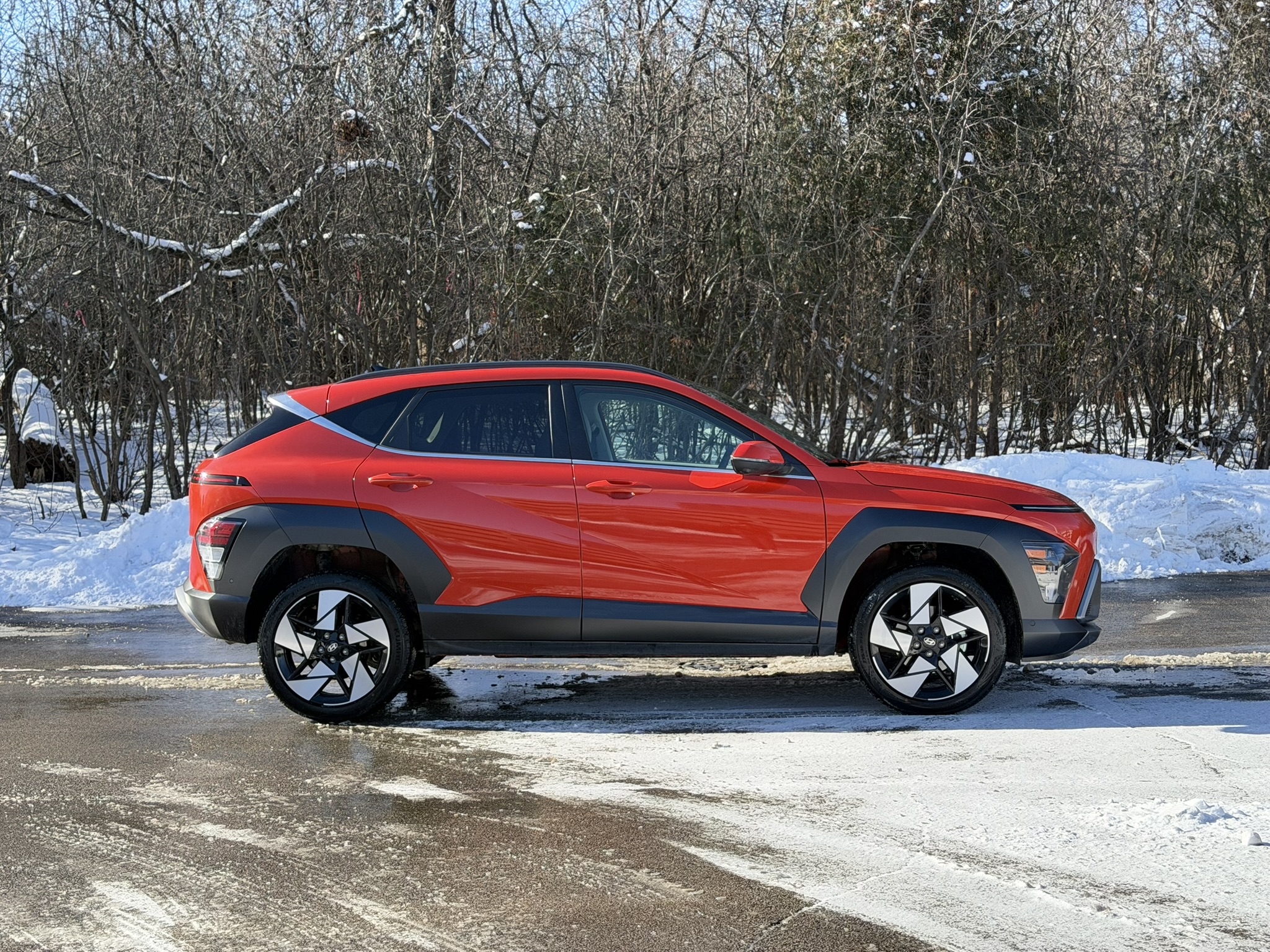
The Kona ditched its rugged body-clad exterior of the first generation for a sleek EV-look across the entire platform. The updated style is futuristic with an LED light bar that stretches across the front of the vehicle. Headlights are dropped to the lower fascia at the side corners and wrap into the fender with an edgy style. Proportions have also changed as the Kona has increased in size with an extra 5.7" of length, 2.3" in wheelbase, and an inch wider than the outgoing model. The side profile showcases a more aerodynamic look with sculpted wheel arch cladding, Hyundai's parametric surfaces (similar to the Tucson), and chrome lines that connect the beltline up to the rear spoiler. Around back, another LED tail lamp stretches across the hatch with additional sharply angled brake lights in the lower fascia pushed out to the sides. It has a rounded rear with Kona spelled out across the rear.
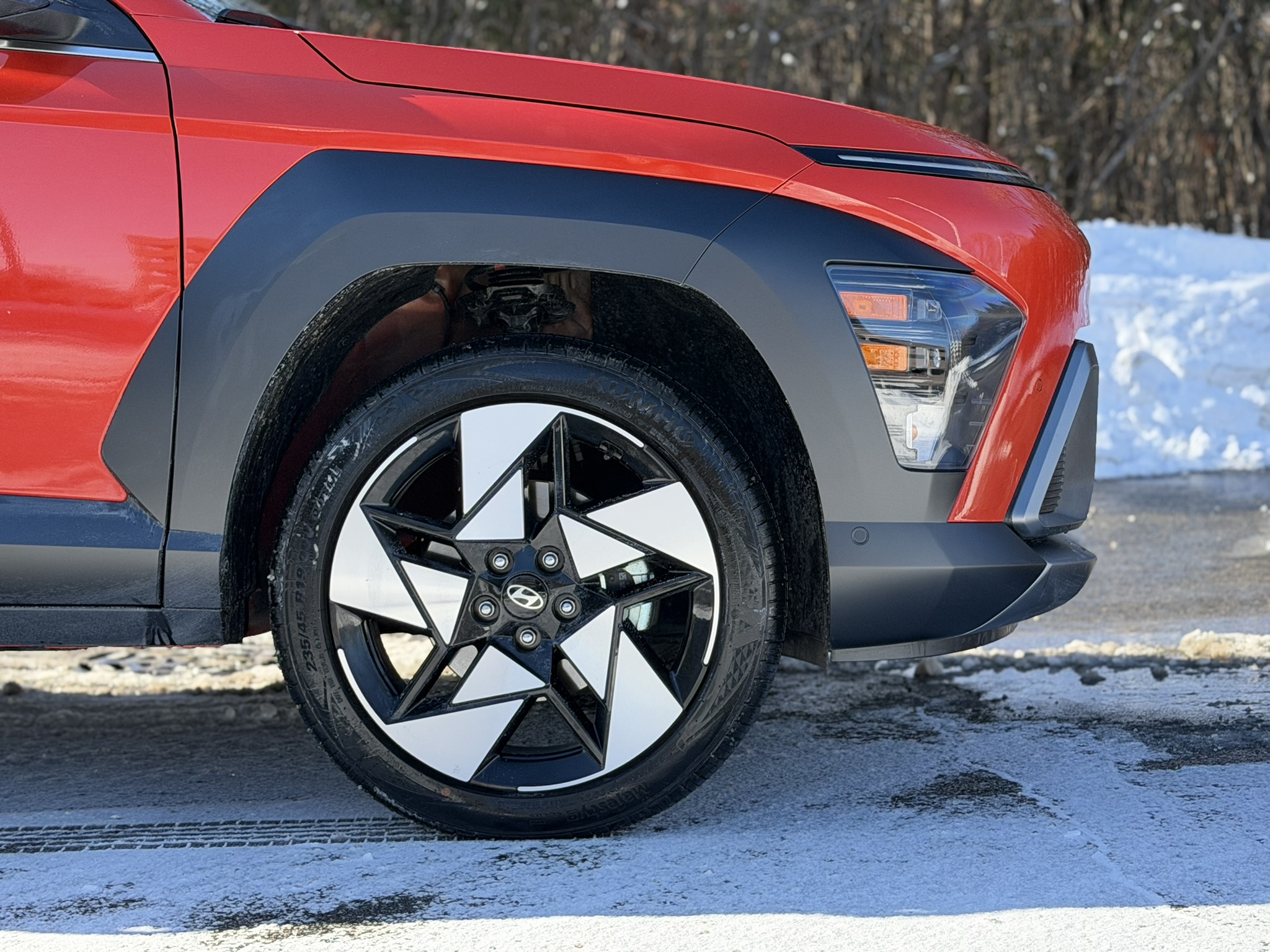
Various wheel designs are available depending on the trim ranging in size from 17" up to 19". My test model came with 19" two-tone alloys with gloss black and brushed silver finishes. They complimented the car with a sporty, razor-like design. It is available in nine colors across the lineup including some bright ones that include Soultronic Orange and Neoteric Yellow.
Performance:
The Kona's standard base engine (SE and SEL Sport) is a 2.0L four-cylinder that generates 147 horsepower and 132 pound-feet of torque paired with a CVT. Step up the SEL Premium and Limited models for a more powerful 1.6L turbocharged 4-cylinder that pushes out 190 horsepower and 195 lb.-ft. of torque paired with an 8-speed automatic.
Having spent time in the Limited, the 1.6L turbo offers a fair amount of pep in acceleration as it launches from 0-60 MPH in around 7.5 seconds. It's one of the quicker options in the class but still falls short of competitors like the Mazda CX-30 which is more powerful and more refined. The Kona Limited pairs with an 8-speed automatic transmission that is smoother than the previous 7-speed unit. It appropriately and smoothly shifts through the gears directing power as needed. There are three driving modes known as comfort, eco, and sport which can be switched on at the touch of a button. As expected, Sport mode is most engaging but not overly athletic.
At highway speeds the ride is smooth, and it feels planted to the roadway. Road noise was more noticeable in Chicago traffic compared to similarly sized vehicles like the VW Taos and Toyota Corolla Cross. Its compact size makes it easy to handle around corners although the steering tends to be on the softer side. It's nimble around town and through traffic with enough pep to feel confident in your driving. Overall, it delivers a composed ride with a touch of fun and athleticism.
Fuel Economy:
When it arrived with a full 13.2-gallon tank it offered between 340-420 miles of driving range. It's rated at 24/29/26 MPG city/highway/combined for the AWD model I drove. After a week of primarily suburban driving, I average 28 MPG. Front wheel drive models will fare even better with up to 34/35 MPG city/highway. It's one of the better-rated vehicles in its class and is available as a pure electric for those wanting to ditch conventional fuel altogether.
Interior Design / Layout:
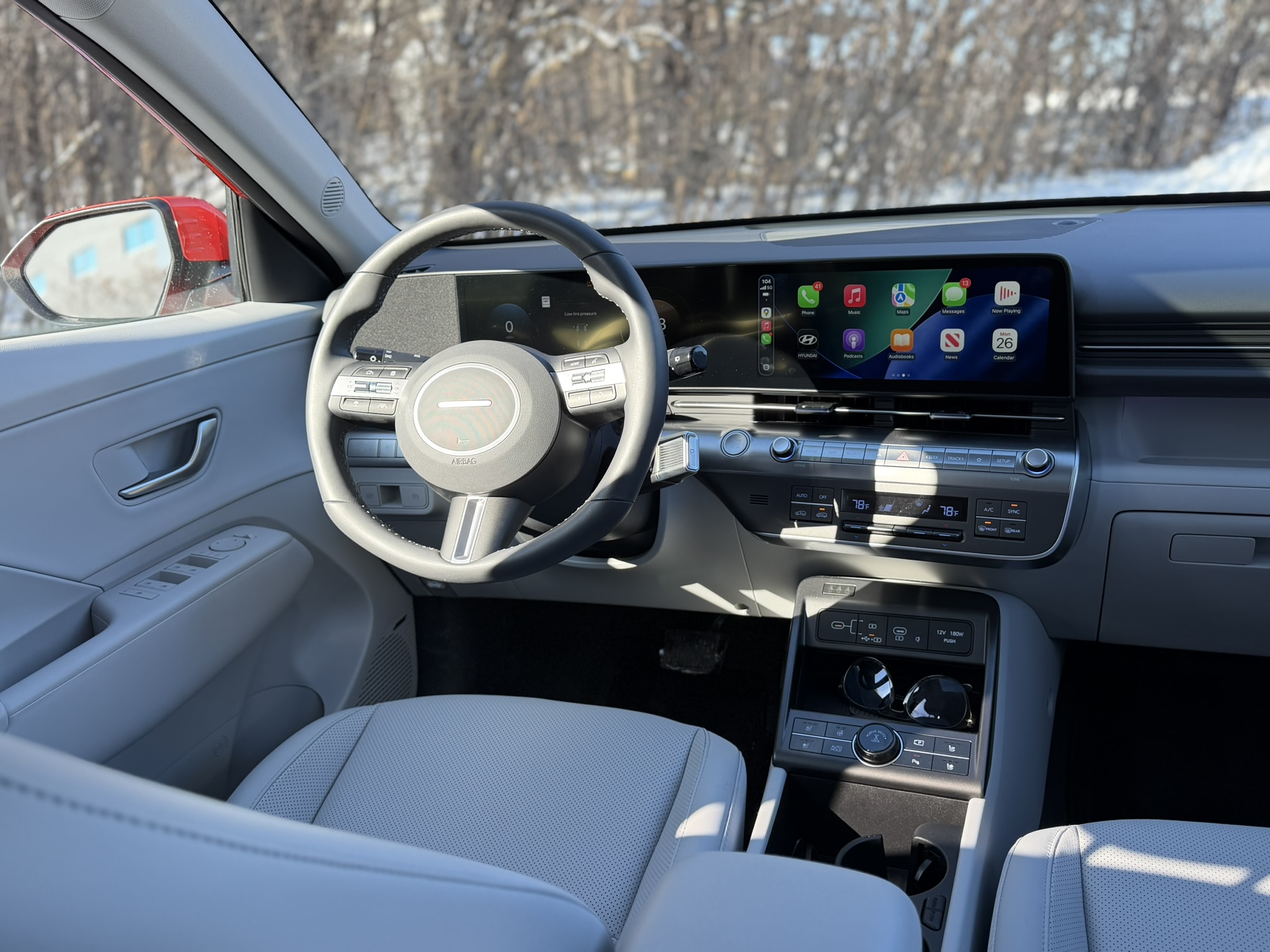
Based on the Kona's larger dimensions, Hyundai designed a larger interior space. The driver-centric front row is accentuated by a floating horizontal C-Pad with integrated, dual 12.3-inch panoramic display screens that affirm Kona's high-tech character. The digital cluster offers customized views and modern graphics. As part of Kona's new layout, the shift-by-wire gear selector has been relocated from the center console to a stalk behind the steering wheel, allowing more storage in the open console area. Brushed metal accents surround the interior on the Limited to give it a more upscale vibe.
The layout emphasizes Kona's larger, wider interior, providing a versatile and comfortable space for drivers and passengers. This impression is further reinforced by the relocation of driver controls around the steering wheel, allowing a multi-use center console storage area with a rotational cupholder design. Ambient interior lighting options are also available that correspond to drive modes, acceleration, or to suit the mood of the driver.
Interior Materials:
Most new Hyundais have over-delivered inside with better-than-expected materials loaded with tech. When the second-generation Kona came out in 2024, I knocked it for feeling extra basic inside with harder plastics all around. New for 2026, Hyundai has made some adjustments and implemented more soft-touch surfaces making the cabin feel more refined and on par with other Hyundai models. After spending time in the Elantra and Tucson which offer modern materials, I it’s nice to see the same materials extend into this trendy little crossover. Hyundai also made notable improvements with a redesigned center console with better storage and easier-to-reach USB ports.
Technology:
Drivers will face an expensive dual 12.3" touch screen display set up with a 4.2" driver information display. The visual graphics will update with the various drive modes. The infotainment system integrates wirelessly with Apple CarPlay and Android Auto, includes two front USB-C ports, and two rear USB-C ports. The Kona does offer wireless charging in a functional location at the top of the center console. Hyundai's system is intuitive and offers additional features such as ambient lighting and sounds of nature for those moments you need to recline the seats back (while parked) and de-stress. Drivers can also activate and control features like climate, radio station, rear window and side mirror heating as well as steering wheel heating through Dynamic Voice Recognition. Built-in navigation, an eight-speaker Bose premium audio system, cameras, and Hyundai's digital key all add to the overall package.
The all-new Kona takes connectivity to the next level with Over-the-Air technology for software updates, allowing car owners to save time by having their cars updated with the latest software, providing a convenient, upgradable experience.
Seating:
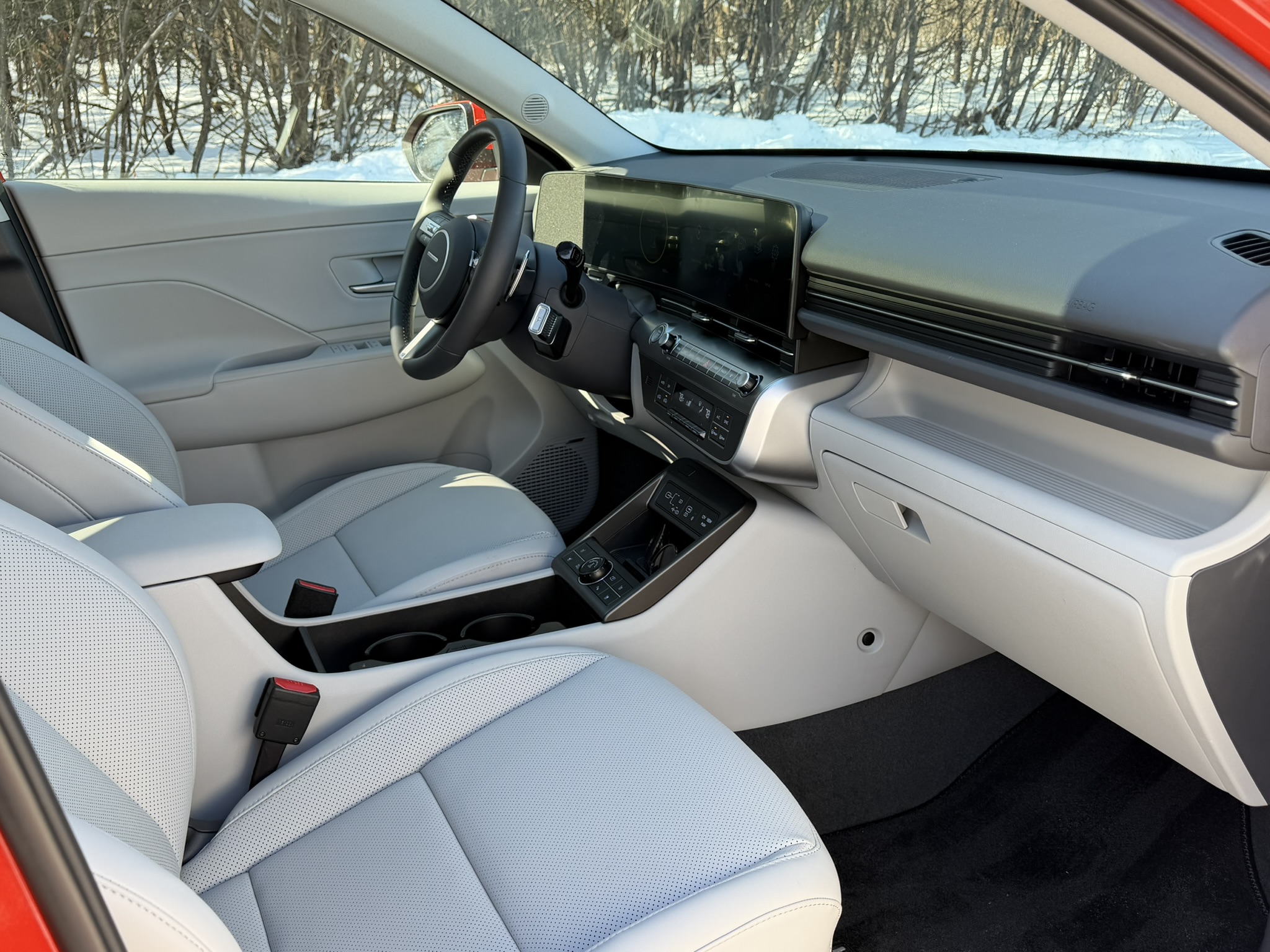
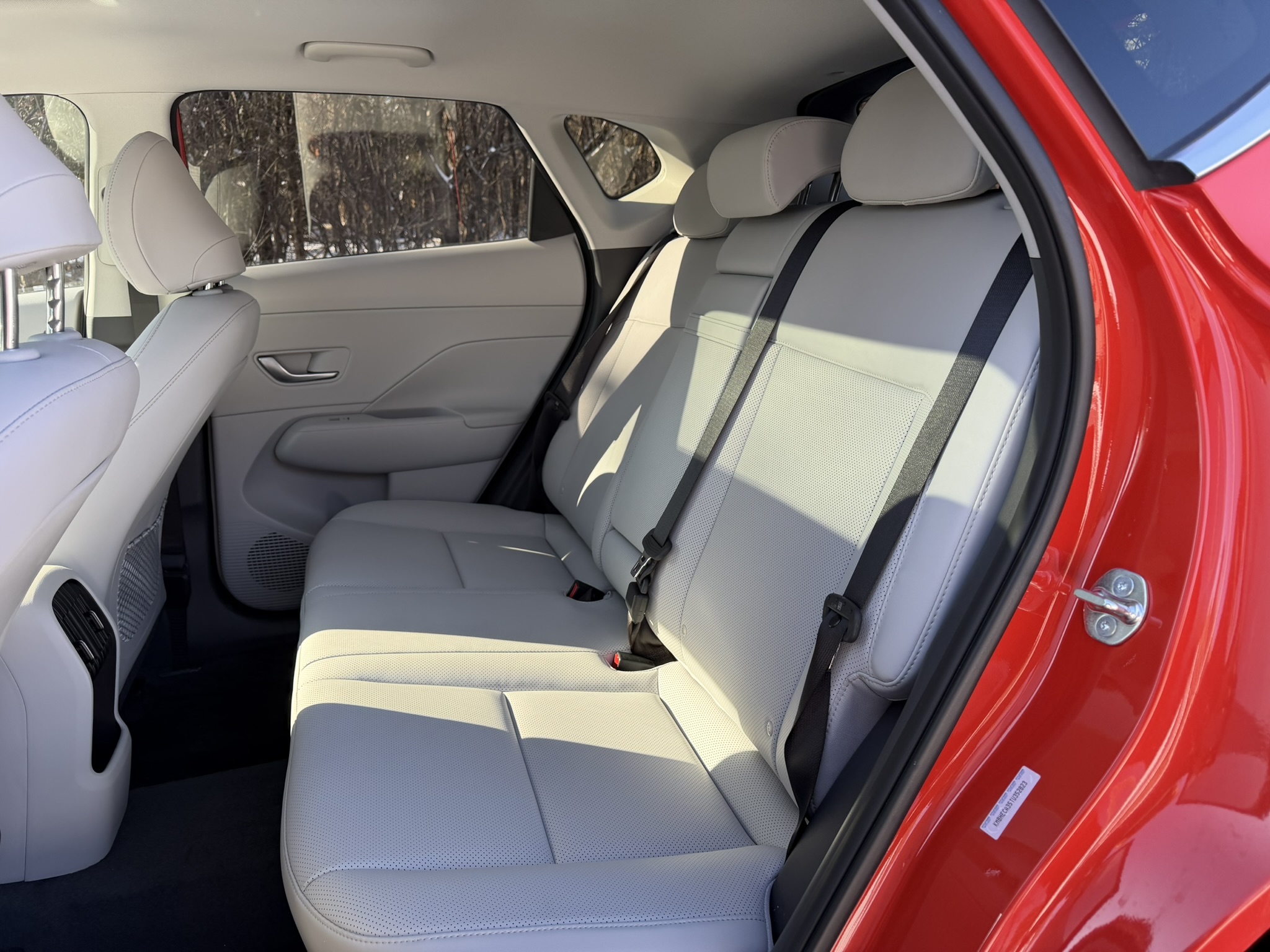
The Kona is quite roomy inside with comfortable seats both up front and in back. There is noticeably more space in this model compared to the outgoing first generation. The Limited came with heated and ventilated seats that worked well. The leather seats are supportive with sufficient padding. The driver's chair offers eight-way power adjustability to find an ideal driving position. Head and leg room was impressive up front and will accommodate adults of all sizes. Second row seats will be tighter for adults, but legroom has improved. The front seats are 30 percent slimmer to maximize rear passenger legroom and the second row Curveless Bench Seat also enhances available space.
Rear seats stand out for being much larger than expected. There is excellent legroom and headroom for the class. Adults can sit comfortably in the back without feeling cramped. Rear space is definitely improved over the older Kona generation. Even more, a two-stage latching system allows rear seat reclining. The 2026 Kona’s seats are more about practicality and space than softness. If you want a small SUV with genuinely usable rear seats, it’s one of the best choices. If you prioritize ultra-soft, couch-like comfort, it may feel a bit firm
Cargo:
As a compact crossover, expectations should be minimal for cargo. The Kona offers 25.5 cu.ft. behind the second row and 63.7 cu.ft. with the seats folded flat, both significantly improved. In comparison to similarly sized models, the Hyundai has more overall space and is among the most spacious cargo areas in the class. Hyundai adds nice touches such as storage clips to secure the cargo cover and some under floor storage.
Safety/ Driver Assist:
Kona is packed with a range of safety and driver assist features regardless of the trim level. The 2026 model is offered with the latest Hyundai SmartSense Advanced Driver Assist and S Safety features that include blind-spot collision avoidance, rear cross-traffic collision avoidance, forward collision-avoidance with pedestrian-detection, lane keep/follow, driver attention warning, safe exit, and rear seat occupant alert. New this year, Adaptive cruise control (Smart Cruise Control) is now standard across the lineup. Stepping up to the Limited model will add additional features such as remote smart parking assist, blind-spot view monitor, high beam assist and parking distance warning in reverse.
Available Remote Smart Parking Assist aids drivers in getting in and out of parking spaces remotely. A press of the smart key button can move the vehicle forward or backward out of various parking scenarios. Blind-spot View Monitor can help when the driver makes a lane change by providing the driver with live video of the blind spot area in the instrument cluster.
During my time in the car, all these features worked well and were intuitive to control/adjust to personal preferences. Kudos to Hyundai for making all these elements standard.
Final Statement
The Kona is an important vehicle to Hyundai as it serves as an entry point for many buyers with a low starting price of $24,100. The new generation is even better than the last with more interior space while maintaining its compact size. Technology is improved and it has a much more modern vibe. Whether or not you like the new exterior style, it stands out as something different and modern.